
How much money do you need to start a home care agency in Canada? Less than most people think, especially compared to a franchise. But there's one cost almost every new owner underestimates, and it's the one that can sink you in the first few months. Here's a line-by-line sample budget for 2026.
The good news: home care is a low-cost business to start
You don't need a storefront, equipment or inventory. Many owners start from a home office and grow one client at a time. Most of your early costs are paperwork, insurance and getting your name out there.
Sample start-up budget (2026)
These are typical ranges for a small, non-medical agency starting from a home office. Your costs will vary by province, city and the services you offer.
| Item | Lean start | Fuller start |
|---|---|---|
| Business registration or incorporation | $60 (Ontario business name) | $200–$300 (federal or Ontario incorporation) |
| Accountant setup (structure, payroll, HST) | $300 | $1,000+ |
| Liability and business insurance (first year) | $1,500 | $4,500 |
| Policies, procedures and forms | $199 (DIY kit) | $1,850+ (customized manual) |
| Logo, branding and website | $0–$300 (DIY) | $1,500–$5,000 (professional) |
| Scheduling and payroll software (first 3 months) | $150 | $900 |
| Phone, internet and business email (first 3 months) | $150 | $400 |
| Marketing materials (cards, brochures, local ads) | $200 | $1,500 |
| Hiring costs (job ads, background checks, orientation) | $200 | $1,000 |
| Subtotal | about $3,000 | about $13,000–$16,500 |
| Working capital (payroll float) | See below, this is the big one | |
Registration fees are current government fees (Ontario business name $60 online; Ontario incorporation $300; federal incorporation $200). Fees differ in other provinces. The insurance range comes from my own experience; get several quotes, since your services, payroll and claims history all affect the price.
The cost everyone forgets: payroll float
You pay your caregivers every week or two. Your clients might pay you at the end of the month, or later. That gap is your working capital, and it's the reason profitable agencies can still run out of cash.
A simple way to estimate it: take your weekly payroll and multiply by 4 to 6 weeks.
Example: 3 clients receiving 20 hours a week = 60 care hours. At about $25/hour in labour cost (a $22 wage plus employer costs), that's about $1,500 a week. Six weeks of float is about $9,000.
The faster you grow, the more float you need, because every new client adds payroll before their first payment arrives. Ways to reduce it:
- Bill weekly or every two weeks instead of monthly
- Take a deposit or pre-authorized payment at intake
- Set clear payment terms in your client service agreement
- Line up a business line of credit before you need it
Other costs to check for your province
- Workers' compensation: once you have employees, check whether coverage is mandatory for your industry in your province (WSIB in Ontario, WorkSafeBC in B.C., WCB in Alberta and others). Premiums are a percentage of payroll.
- Licensing: most provinces don't require a specific licence to run a private, non-medical home care business, beyond your business registration and local permits. Some situations are different. For example, in Ontario, a business that places workers with clients who direct their work may need a Temporary Help Agency licence ($750 application fee plus a $25,000 security). Rules change, so confirm with your province before you launch.
- HST/GST: many personal care services are exempt, but not all. Ask your accountant before you set up invoicing.
- Nursing services: if you plan to offer nursing, budget for higher wages, professional liability coverage and clinical oversight.
How does this compare to a franchise?
A home care franchise typically charges an upfront fee plus ongoing royalties on your revenue, every month, for as long as you own the business. Starting independently means you keep that money, but you have to build the systems yourself. That's exactly the gap Home Care 101 was built to fill. (I wrote more about this in Don't buy a home care franchise!)
A note for U.S. readers
U.S. start-up costs follow the same pattern, but many states require a home care licence, which adds application fees, inspections and sometimes a surety bond. Check your state's requirements first, since they can change your budget a lot.
Plan your numbers before you spend
Start with the free Business Plan Worksheet. It's a simple, fill-in-the-blank way to map out your services, market and finances.
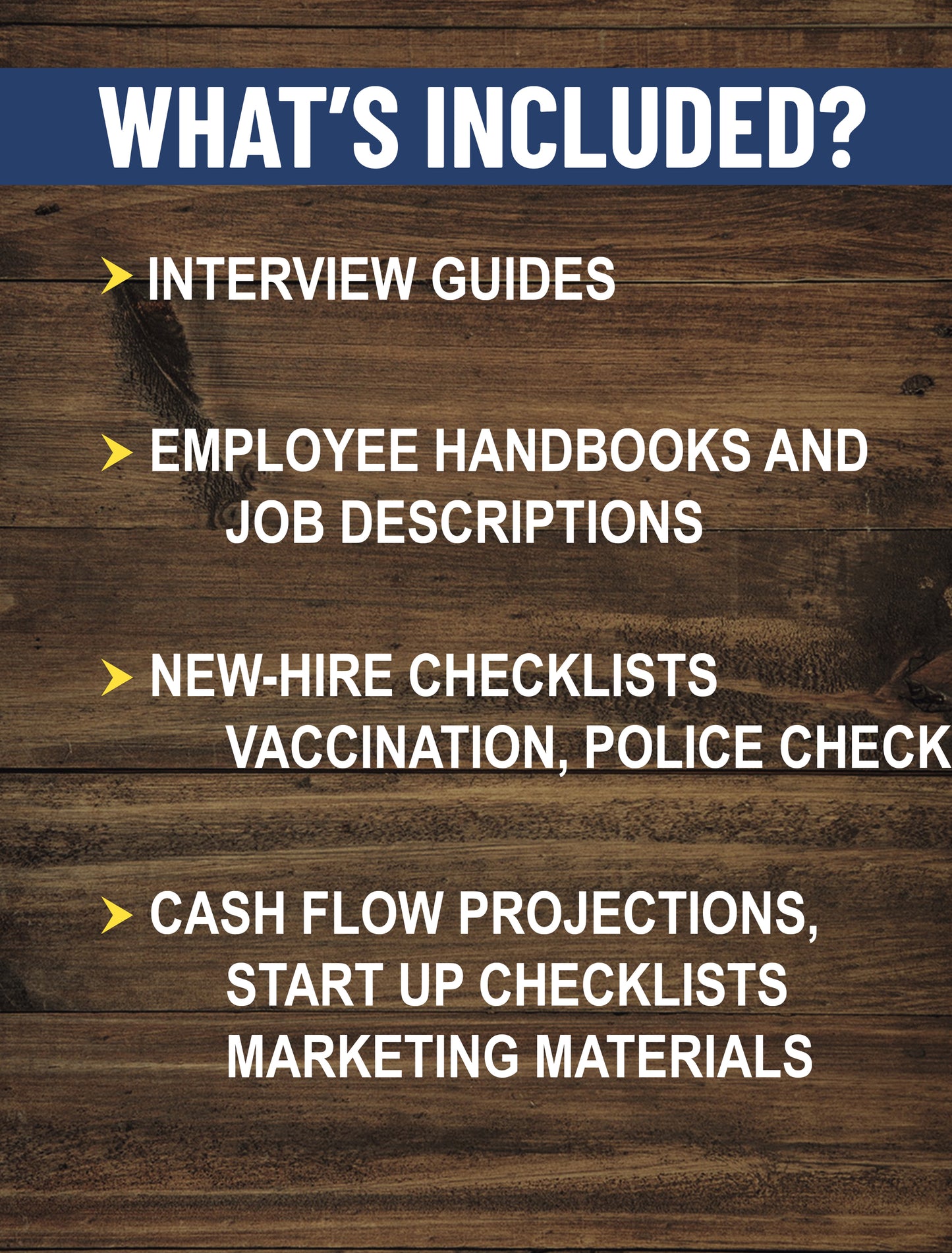
When you're ready to build, the Complete Start-Up Kit ($199) gives you 100+ editable forms, contracts and guides, plus the financial tools to plan your cash flow. Or, if you'd rather have it built for you, the Premium Start-Up Package includes your business plan, custom policy manual, branded forms and website.
This article is general information, not legal, tax or accounting advice. Costs are typical 2026 ranges and will vary. Confirm requirements with your province and an accountant.
About the Author